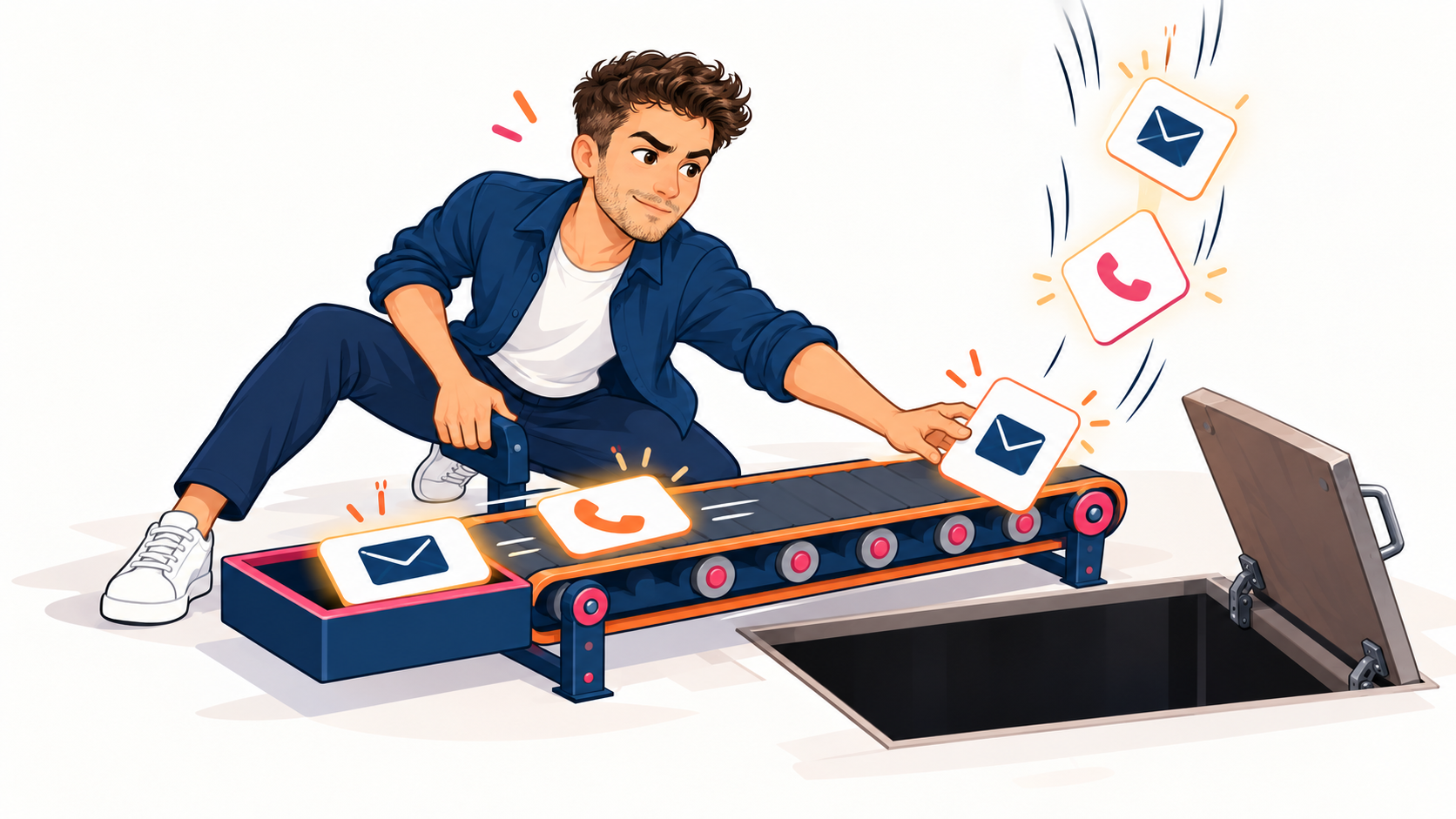
You’ve got people on your list. 🎉 Hooray! But now what?
If you’ve ever stared at your email dashboard and thought, “They’ve signed up… why aren’t they buying anything?”, you’re not alone.
The truth is, email subscribers are just that — subscribers. Not customers. Yet.
But with a few strategic moves (and a sprinkle of personality), you can turn curious clickers into raving fans who want to give you their money.
Let’s break it down step-by-step, so you can start turning your inbox into income — without the ick.
Step 1: Understand Where They’re Really At
Not all email subscribers are created equal. Some are:
- Just here for the freebie
- Sussing you out
- Already semi-sold and just need a nudge
- Long-time lurkers who forgot they signed up
Your job? Help them move closer to a “yes” — no matter where they start.
💡 Segment your list where you can:
- By lead magnet
- By interest or service
- By behaviour (clickers vs ghosters)
Even if you’re just getting started, keep this in mind as your list grows. More relevant emails = better results.
Step 2: Make That Welcome Sequence Work Hard
The welcome sequence is your golden window of opportunity. It’s like the first date — exciting, full of potential, and ideally not boring or weird.
What it should do:
- Deliver the freebie or welcome gift
- Introduce who you are and how you help
- Show you understand their problem
- Build trust with quick wins or stories
- Offer a gentle next step (book, buy, reply, whatever fits)
🔥 Your tone here sets the stage. Be human. Be you. The goal is for your reader to go:
“Oh, I like this person. I want to hear more from them.”
Step 3: Nurture with Value (and Just Enough Sell)
Let’s get one thing straight: email marketing is not just about flogging stuff.
If every email is “Buy now!” or “Last chance to book!” — people tune out faster than you can say “unsubscribe.”
Instead, focus on the 80/20 rule:
- 80% value-packed content
- 20% intentional selling
Value can look like:
- Tips, tricks, how-tos
- Behind-the-scenes peeks
- Client wins or stories
- Mini pep talks
- Common myths or mistakes
Then, link it back to your offer with a line like:
“If this sounds familiar, I cover this in more depth during my 1:1 sessions. You can book one here.”
Soft sell. Big impact.
Step 4: Create a Path to Purchase
Don’t just hope people “figure out” how to work with you. Make the path to buying obvious and easy.
That means:
- Clear calls-to-action (CTAs)
- Regular reminders about what you do
- Links to book, buy or enquire in every email
- Occasional direct sales emails with a real offer
It’s not pushy. It’s helpful.
Think of it like a shopkeeper saying, “Just so you know, these are on the shelf behind you!” — not shoving it in your basket.
Step 5: Use Stories to Build Trust
Stories sell better than specs. Fact.
Use email to share:
- How you helped someone just like them
- What inspired you to start your business
- What you struggled with at the beginning (and what you’ve learned)
- Your process, results, and values
Not only does this build connection — it positions you as the expert without shouting “I’M THE EXPERT!”
And when people trust you, buying feels natural. No persuasion tricks needed.
Step 6: Include Micro-Conversions
Sometimes we get too hung up on “did they buy?” and miss the small wins.
Get your subscribers used to saying yes to you in small ways first:
- Replying to a question
- Clicking a link
- Downloading a bonus
- Booking a free call
- Reading your blog
- Following you on social
Every “yes” builds momentum.
Before you know it, they’ll be saying “yes” to your paid offer too.
Step 7: Set Up Automated Funnels
Automations = income while you eat biscuits.
Use email tools (like MailerLite, ConvertKit, Mailchimp, or GoHighLevel) to:
- Deliver lead magnets
- Send welcome sequences
- Deliver mini email courses
- Offer limited-time discounts or bonuses
- Re-engage cold subscribers
This is the “works while you sleep” bit. Set it up once. Let it run. Update occasionally.
You can even segment your automations by what someone clicked on — so you know what they’re interested in. Clever, eh?
Step 8: Resend to the Unopens
Here’s a sneaky trick most people forget:
Resend your email to the people who didn’t open it the first time.
Wait 48–72 hours, tweak the subject line slightly, and resend.
Boom — more eyes on your offer, more clicks, no extra writing. We love efficiency.
Step 9: Show Up Consistently
The biggest mistake people make with email marketing?
They ghost their list.
Consistency builds trust. It trains your audience to expect great stuff from you — and keeps you top of mind.
You don’t have to email daily (unless you want to!) — but weekly or fortnightly is a brilliant rhythm to aim for.
Just show up. Keep being helpful. Keep being you.
Step 10: Ask for the Sale (with Confidence)
When it’s time to launch something, raise your prices, open your books, or promote a product — email is your best friend.
Send:
- A few warm-up emails
- Some “here’s the offer” emails
- A couple of “last chance” reminders
- A “here’s why this matters” message
And please, PLEASE don’t apologise for selling. You’re not annoying. You’re offering value. The right people will be grateful you made it easy.
Bonus: Give People a Reason to Stay
Want to keep subscribers engaged long-term?
Try adding:
✅ Monthly roundups
✅ “Subscriber-only” bonuses
✅ Special first-access launches
✅ Behind-the-scenes sneak peeks
✅ Polls and “what do you want next?” emails
Make it feel good to be on your list. Like an insider’s club — not a sales funnel.
Final Thoughts: From Lurker to Loyal Buyer
Your subscribers are real people. With inboxes full of noise, yes — but also with problems you can solve.
So if you show up with genuine value, personality, consistency, and clarity?
You’ll start to see the shift. From reader… to enquirer. From lead… to client.
No spammy tactics. No begging. Just a brilliant little email machine that makes your business run smoother, better — and more profitably.
Ready to turn inbox into income? You’ve got this. 🧡