TikTok ad disclosure is not the glamorous end of social media marketing. It is, however, the bit that stops a clever creator partnership turning into a trust problem. As viewers get sharper at spotting stealth promotions, brands that hide the commercial relationship are discovering a fairly awkward truth: people do not mind advertising nearly as much as they mind feeling tricked.
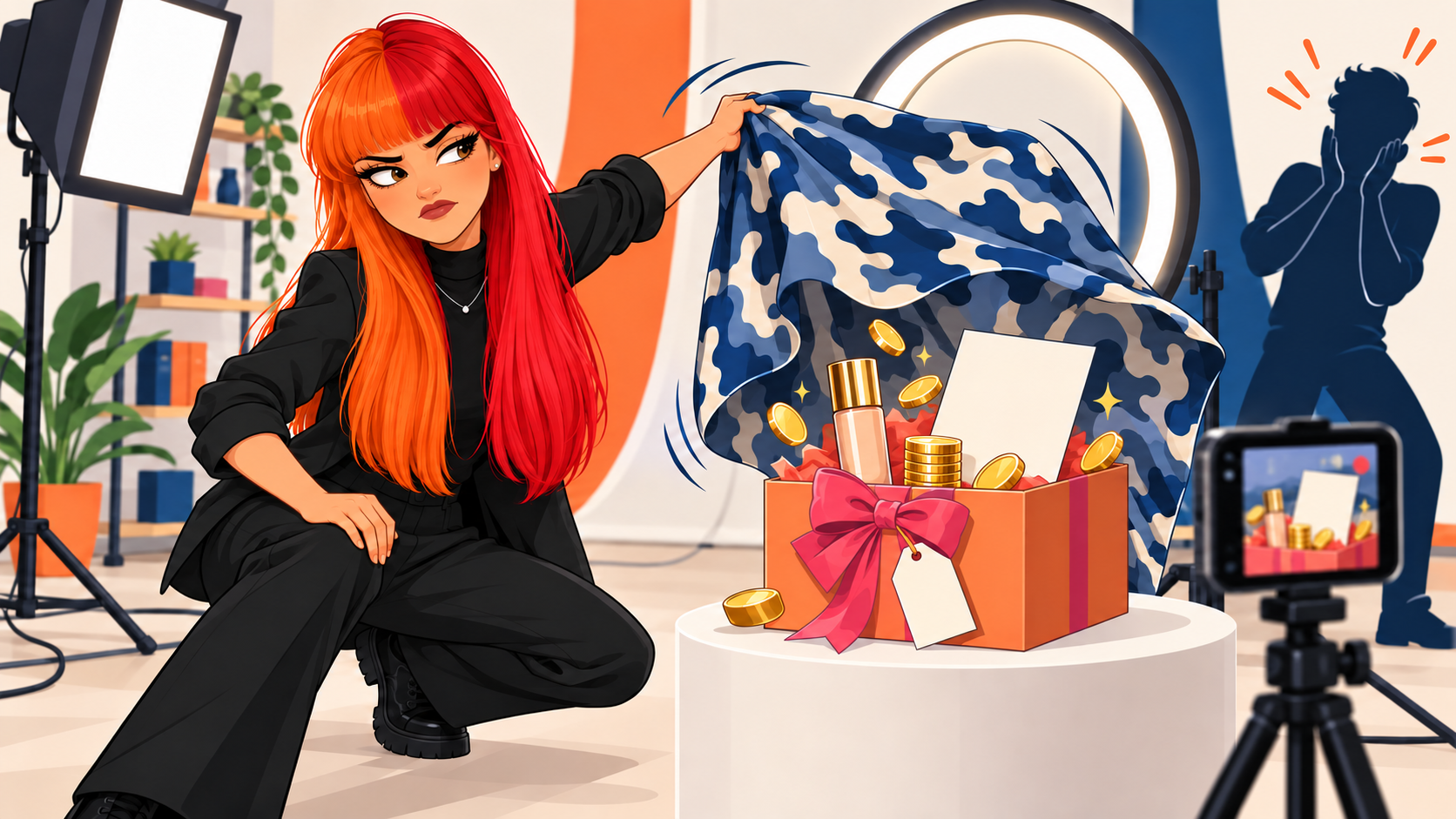
Recent online backlash around undisclosed influencer promotions is a useful warning for small businesses. If money, free products, commission or brand control are involved, the commercial connection needs to be clear. Tiny labels, vague hashtags and a disclosure buried after a wall of text are not clever. They are camouflage, and audiences are getting very good at seeing through it.
TikTok ad disclosure is a trust issue first
Compliance matters, but let us start with the customer. Someone watches a creator rave about a product because they believe it is a genuine recommendation. They then discover the creator was paid, gifted the product or earning commission without making that obvious. The product might still be excellent. The recommendation might still be sincere. None of that removes the sour taste.
Clear disclosure does the opposite. It gives the viewer the information needed to judge the content properly. It says, “Yes, this is commercial, and we are confident enough in the offer to be honest about it.” That confidence is good for the creator, good for the brand and considerably better than being called out in the comments by someone with screenshots.
What counts as an ad in the UK?
For UK campaigns, there are two ideas to keep in mind: payment and control. Under the advertising rules, content is likely to count as an ad when a brand gives a creator payment or another benefit and has some control over what gets posted. Payment is not limited to cash. Free products, trips, discounts and other perks can all be relevant.
Consumer protection rules can also require creators to make commercial relationships clear, including affiliate arrangements and other incentives. The details depend on the arrangement, so do not turn a blog post into your legal department. When in doubt, disclose clearly and get proper advice for unusual campaigns.
The practical rule is refreshingly simple. If the relationship could affect how a reasonable viewer understands the recommendation, make it obvious before they engage with the content.
Put the label where people can actually see it
A disclosure should be immediate, prominent and easy to understand. “Ad” or “Advert” is usually much clearer than coy phrases such as “collab”, “partnered”, “spon” or “thanks to”. A viewer should not need a decoder ring, a pause button and the eyesight of a kestrel.
- Put the disclosure at the start of the caption, not after dozens of hashtags.
- Make it visible on the content itself where appropriate, especially in video.
- Keep it on screen long enough to be read comfortably.
- Use spoken disclosure as well when it helps make the relationship clear.
- Use the platform’s paid partnership tools, but do not assume the tool fixes a vague caption.
Remember that viewers may arrive through search, shares or embedded clips. Your disclosure needs to survive outside the neat journey you imagined when the campaign was planned.
The brand cannot dump the job on the creator
“The influencer forgot” is not a useful crisis plan. A small business commissioning content should make disclosure part of the brief, contract, approval process and final check. The creator publishes the post, but the brand helped create the commercial arrangement and has a responsibility to run it properly.
Give creators a short disclosure guide before work begins. Specify the wording you expect, where it should appear and which platform tools should be switched on. Ask for the final caption and video before publication when the agreement gives you approval rights. Then take a screenshot of the live post for your campaign records.
This is not about strangling creativity with a twelve-page document. It is about removing ambiguity. Creators produce better work when they know the non-negotiables, and brands sleep better when the basic checks are not living in someone’s memory.
Do not make honest content sound like a hostage statement
Disclosure does not have to kill the tone of the post. A good creator can say a partnership is paid and still make entertaining, useful content. In fact, the best campaigns build the commercial relationship into the story instead of trying to sneak it past the audience.
Let the creator explain why they agreed to work with the brand. Give them room to show the product honestly, including who it suits and who it does not. Avoid scripts packed with claims no real person would say. Transparency plus a believable voice will outperform a suspiciously perfect review more often than marketers like to admit.
Build a simple TikTok ad disclosure workflow
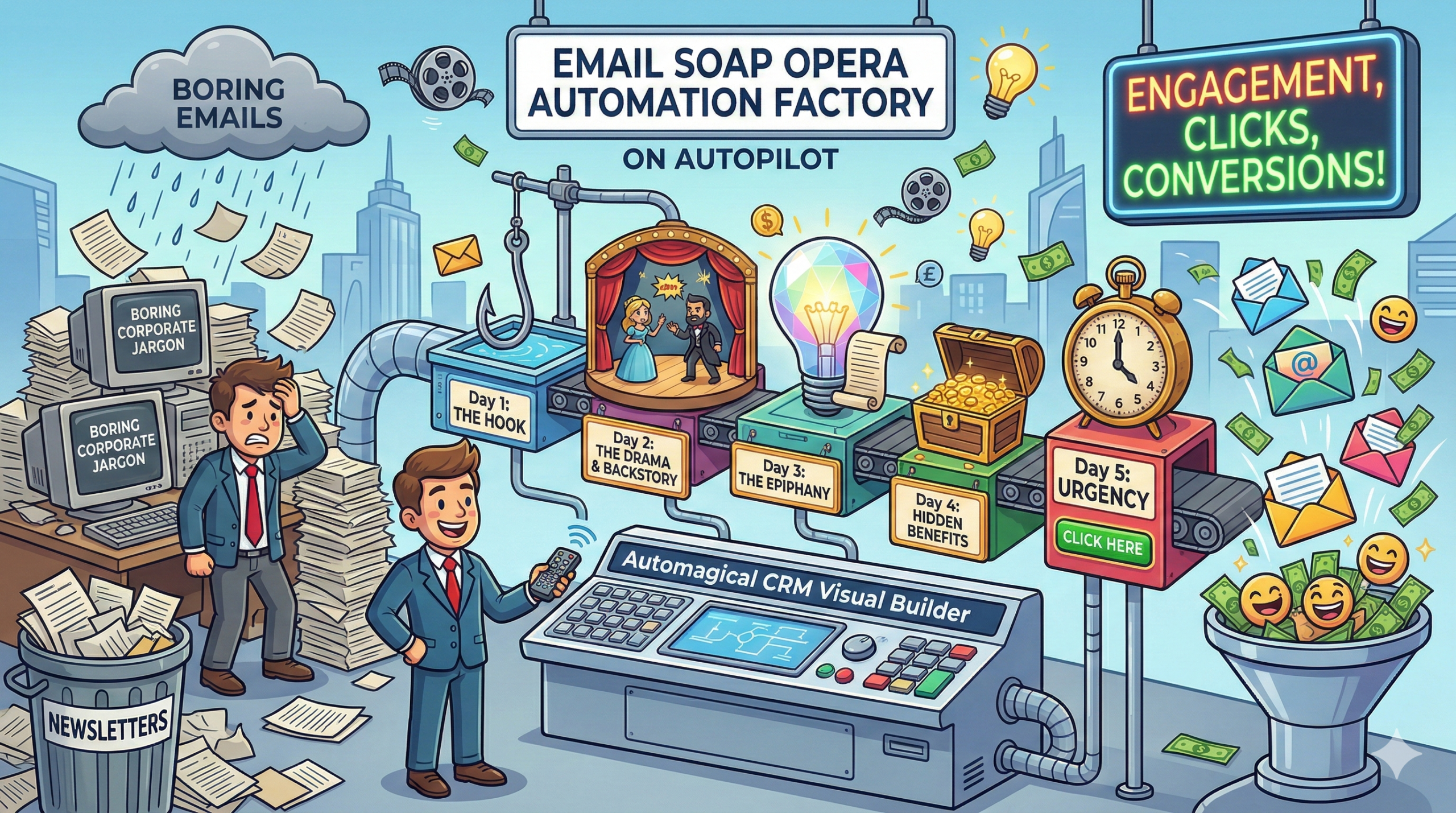
You do not need an enterprise compliance platform. You need a repeatable process. Add these fields to your campaign tracker or CRM:
- Creator name and contact details.
- Type of benefit provided, including payment, gift or commission.
- Level of brand control and approval.
- Required disclosure wording and placement.
- Draft approval status and planned publication date.
- Live link, screenshot and performance results.
Set an automated reminder for the campaign owner to check the post shortly after it goes live. If the label has disappeared, the wording changed or the creator uploaded the wrong version, you can fix it quickly rather than discovering it three weeks later in a complaint.
Measure more than views
A mountain of views is not automatically a successful campaign. Track meaningful actions such as profile visits, website clicks, discount code use, enquiries and sales. Watch the comments too. They reveal whether people understood the offer, trusted the recommendation and saw the disclosure clearly.
Give each creator a trackable link or code and record results in one place. Compare the cost per useful action, not just the creator’s follower count. A smaller creator with a trusted niche audience can produce far more value than a large account serving impressive numbers and very little intent.
Clear beats clever
The safest TikTok ad disclosure is also the simplest: tell people it is an ad, tell them early and make sure they cannot miss it. Then focus your creative energy on making the promotion worth watching.
If your influencer campaigns currently live across spreadsheets, inboxes and someone’s increasingly heroic memory, Precise Impact can help you build a cleaner marketing workflow. Get in touch with the team and let us make the admin less dramatic than the content.